By aligning product design with the realities of injection mold design and production processes, manufacturers can reduce defects, shorten lead times, and improve overall consistency.
They communicate brand identity, guide users through function, and must survive real-world conditions like friction, chemicals, and UV exposure.
Selecting a mold manufacturer is one of the most significant investments a hardware company will make. A low-cost mold that fails after a few months can cost a company ten times its initial price in production delays and defective parts.
In today’s fast-paced market, the biggest bottleneck for hardware companies isn't just manufacturing—it’s the fragmented supply chain. Moving a product from a design sketch to a functional Injection Molded Part often involves multiple vendors, leading to communication gaps and quality inconsistencies.
In the world of custom manufacturing, "one size fits all" is a recipe for failure. A mold designed for a simple Household Part cannot meet the rigorous safety and tolerance standards required for Auto Parts or Medical Parts.
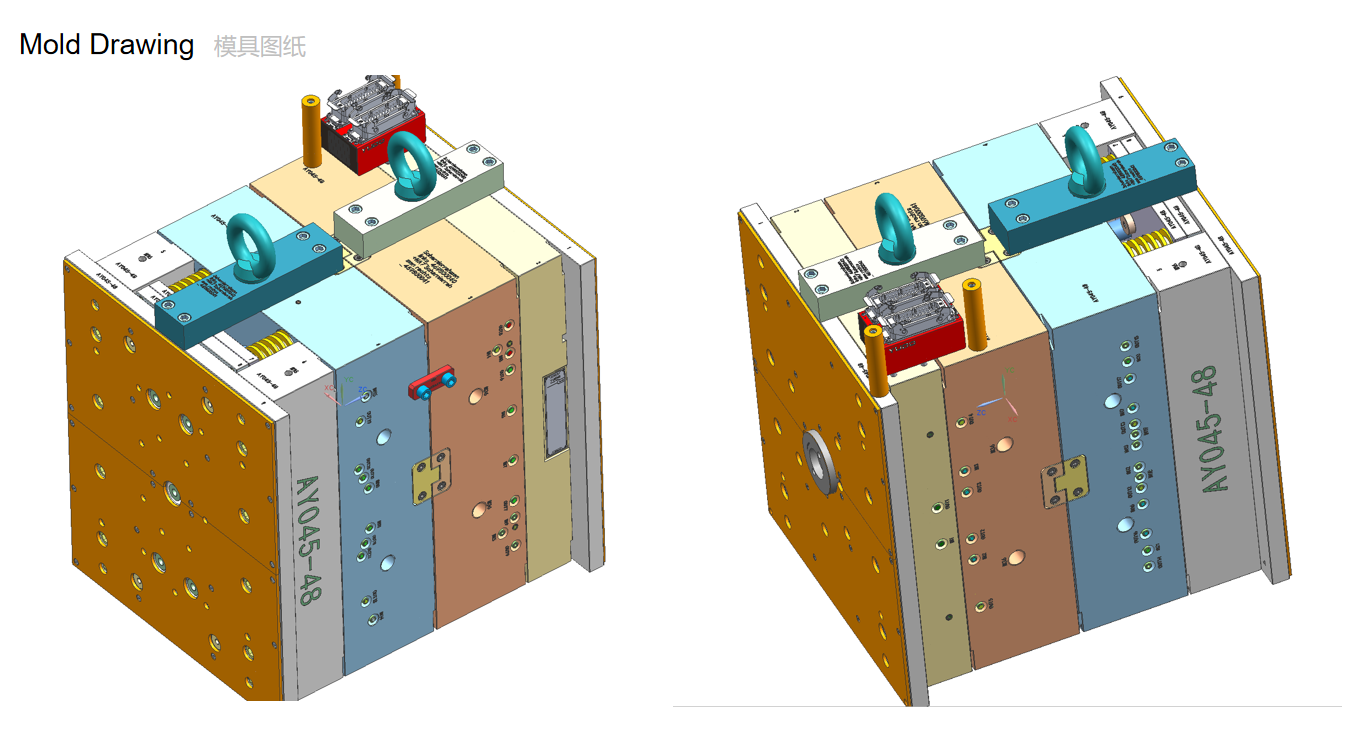
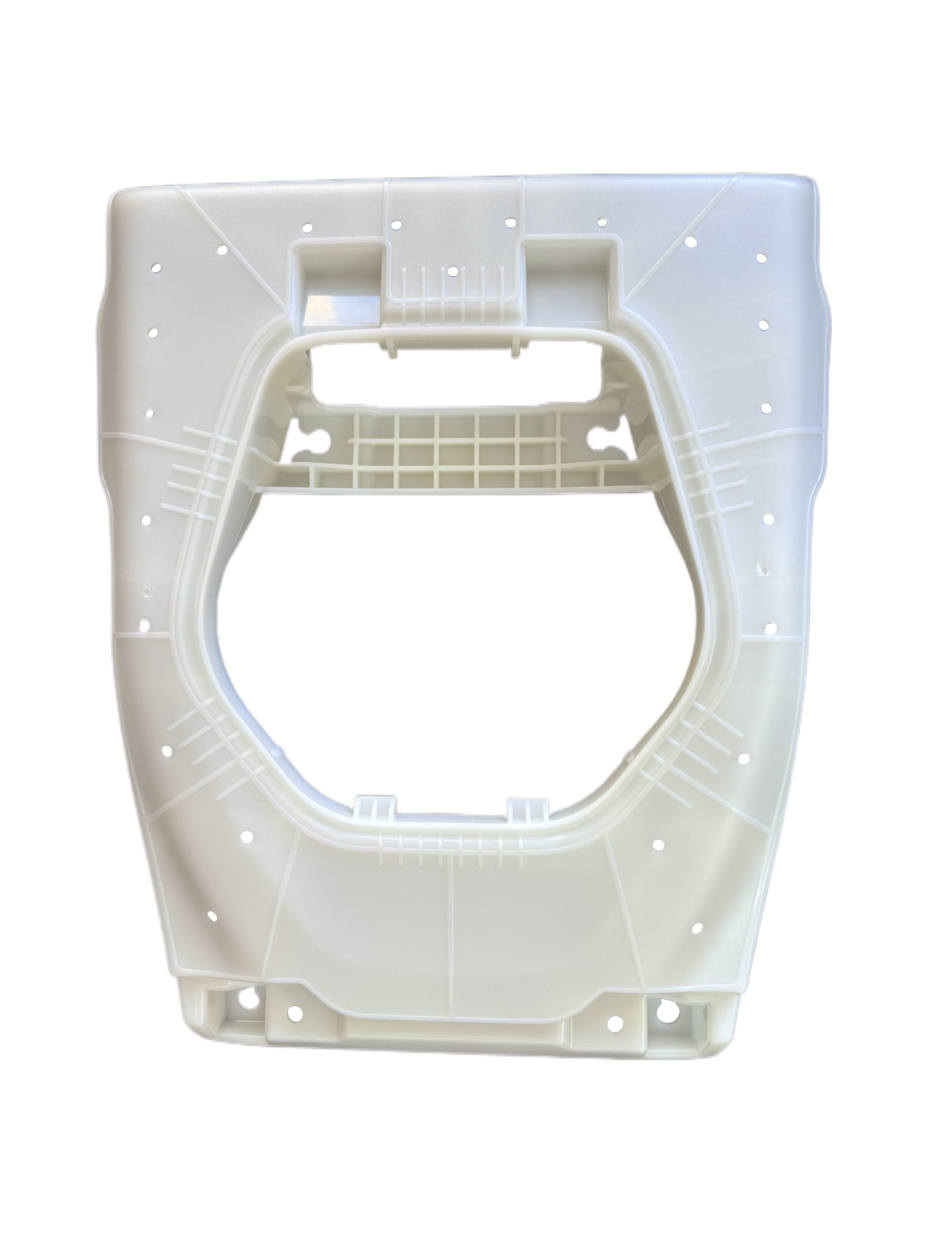
In the competitive landscape of plastic manufacturing, the difference between a successful product launch and a costly recall often comes down to a few microns. Whether you are developing complex Auto Parts or high-stakes Medical Parts, the integrity of your injection mold is the foundation of your production efficiency.
Plastic components are widely used in industries such as electronics, automotive, medical devices, and household appliances.
It is essential to understand that ultrasonic welding and injection molding are closely connected processes.
understanding the relationship between mold tolerance and injection molding process control is essential for achieving high precision injection molded parts.
Understanding these factors is the key to improving hot stamping quality control and reducing production losses. Below, we examine the most common hot stamping defects, their causes, and practical solutions.
In plastic injection molding, producing a high-quality molded part is only part of the manufacturing process.
To effectively minimize this defect, manufacturers must first understand why sink marks occur and what factors influence their formation.




 LEAVE MESSAGE